


















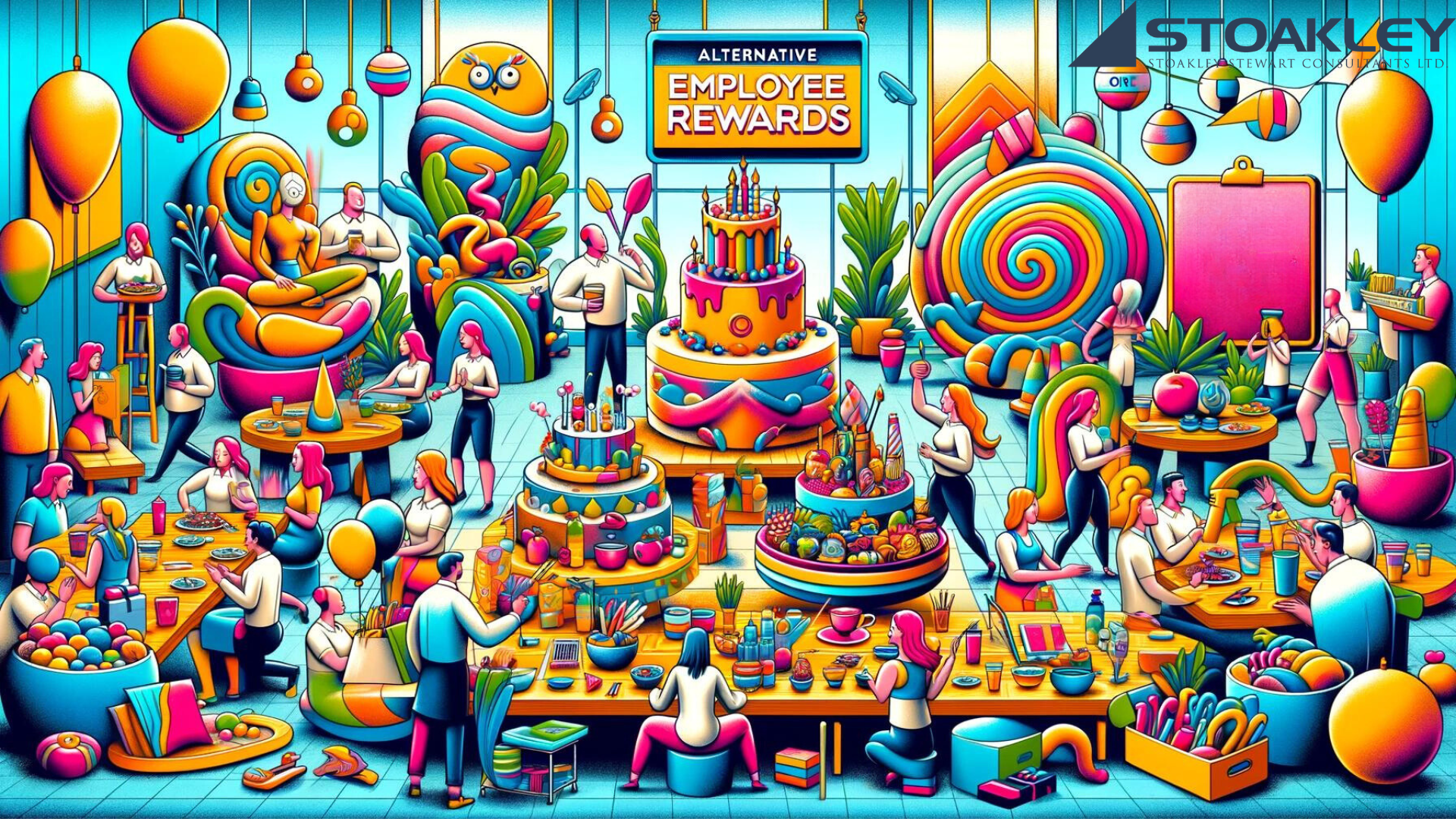
Beyond Raises: Practical Ways Employers Can Reward and Retain Talent
Raises matter, and fair compensation should never be dismissed. But when salary increases are not immediately possible, employers still have meaningful ways to support, recognize, motivate, and retain their teams. The key is to focus on what employees genuinely value: flexibility, growth, respect, recognition, well-being, and a clear sense that their contribution matters.
Compensation still matters
Non-salary rewards should not replace fair pay. They work best when they complement a credible, competitive overall employment package.
Retention is multi-layered
Employees stay for more than pay alone. Culture, leadership, flexibility, growth, recognition, and trust all influence retention.
Credibility is essential
Employees can tell the difference between thoughtful support and token gestures. Meaningful retention efforts must feel genuine and useful.
Why Reward and Retention Strategies Matter
In competitive labour markets, employers cannot assume employees will stay simply because they have a job. Skilled people pay attention to how they are treated, whether they are growing, whether their work is recognized, whether leadership communicates honestly, and whether the organization supports their ability to perform sustainably.
Salary increases are one obvious way to reward employees, but they are not the only factor that shapes loyalty. When raises are not available, employers should not ignore retention altogether. Instead, they can look at practical, meaningful ways to improve the employee experience.
Helpful mindset: Non-salary rewards are most effective when they are thoughtful, consistent, and connected to what employees actually value.
Flexible Working Arrangements
Flexibility can be one of the most valued non-salary benefits, especially when it helps employees manage work, family, commute demands, health, focus, or personal responsibilities. It can also signal trust, which is a powerful retention factor.
Remote or hybrid options
Where the work allows, remote or hybrid arrangements can reduce commute strain and improve work-life balance.
Flexible hours
Flexible start and finish times can help employees manage personal obligations while still meeting business needs.
Four-day workweek or compressed schedule
For some workplaces, compressed schedules can improve morale while preserving productivity and coverage.
Autonomy over work
Employees often feel more engaged when they have appropriate control over how they organize and complete their work.
Professional Development and Career Growth
Employees are more likely to stay when they can see a future with the organization. If raises are limited, employers can still invest in growth by offering training, mentorship, learning opportunities, career planning, and clear pathways for advancement.
Training and education
Courses, certifications, workshops, conferences, and industry learning can show employees that their development matters.
Mentorship
Access to senior leaders, technical experts, or structured mentorship can help employees grow and feel more connected.
Career path clarity
Employees want to know what advancement could look like, what skills matter, and how performance connects to future opportunity.
Stretch assignments
Meaningful project work, leadership exposure, or cross-functional assignments can build skills while demonstrating trust.
Recognition Should Be Specific, Timely, and Meaningful
Recognition is often inexpensive, but it should not feel cheap. Employees want to know that leadership sees their effort, understands their contribution, and appreciates the impact of their work. Generic praise is less effective than specific, timely recognition tied to real outcomes.
Public recognition
Team meetings, newsletters, internal announcements, or awards can highlight important contributions.
Private appreciation
A thoughtful note, direct conversation, or sincere message from leadership can be highly meaningful.
Personalized rewards
Additional time off, event tickets, gift cards, professional memberships, or tailored rewards can feel more meaningful when they match the individual.
Enhancing the Employee Experience
The day-to-day work environment has a major effect on retention. Employees may tolerate a difficult season, but they are less likely to stay long-term in an environment where communication is poor, workload is unsustainable, leadership is unclear, or effort goes unnoticed.
Health and wellness support
Wellness programs, mental health support, ergonomic improvements, and manageable workloads can all support retention.
Culture and community
Inclusive, respectful workplaces where people feel connected tend to be more attractive places to stay.
Better communication
Transparent updates, realistic expectations, and regular feedback can reduce uncertainty and improve trust.
Involvement and ownership
Inviting employees into decisions, projects, and problem-solving can help them feel more invested in the business.
Time Off Can Be a Powerful Reward
When additional salary is not available, extra paid time off can be a meaningful way to recognize effort and support recovery. For many employees, time is one of the most valuable rewards an employer can offer.
Extra vacation days: Additional days off can help employees recharge after busy seasons or major project milestones.
Recharge days: Company-wide wellness or reset days can signal that rest is part of sustainable performance.
Sabbaticals: For longer-tenured employees, structured sabbaticals can support retention, renewal, and long-term loyalty.
Give Employees a Stronger Sense of Stake
Employees are more likely to stay engaged when they feel connected to the direction and success of the organization. In some businesses, this may include stock options, profit-sharing, or formal incentive programs. In others, it may simply mean involving employees more meaningfully in decisions that affect their work.
Ownership is not only financial. Employees can also feel a sense of ownership when they are trusted to lead projects, solve problems, contribute ideas, and see how their work supports broader business goals.
What Employers Should Avoid
Do not use perks to excuse unfair pay
Flexibility, recognition, and culture are valuable, but they should not be used to justify compensation that is not credible for the role or market.
Do not offer generic rewards only
Employees value different things. One-size-fits-all rewards may miss what your team actually needs.
Do not ignore workload
Recognition will not fix burnout if workload, staffing levels, communication, or expectations remain unsustainable.
Retention Is Built Through the Whole Employee Experience
Raises are important, but they are only one part of retention. Employees are more likely to stay when they feel fairly treated, respected, supported, recognized, challenged, trusted, and able to grow.
When salary increases are not available, employers still have options. The most effective strategies are practical, genuine, and connected to the real experience of the people doing the work.
Trying to Attract and Retain the Right People?
If your organization is working through hiring challenges, retention concerns, compensation pressures, or a difficult search, we would be pleased to learn more about your hiring needs and discuss how Stoakley-Stewart Consultants can help.
Exploring Your Next Career Move?
If you are exploring your options or simply curious about what is out there, we invite you to browse our current opportunities and candidate resources.