













Using AI to Tailor Your Resume and Cover Letter Without Losing Your Authenticity
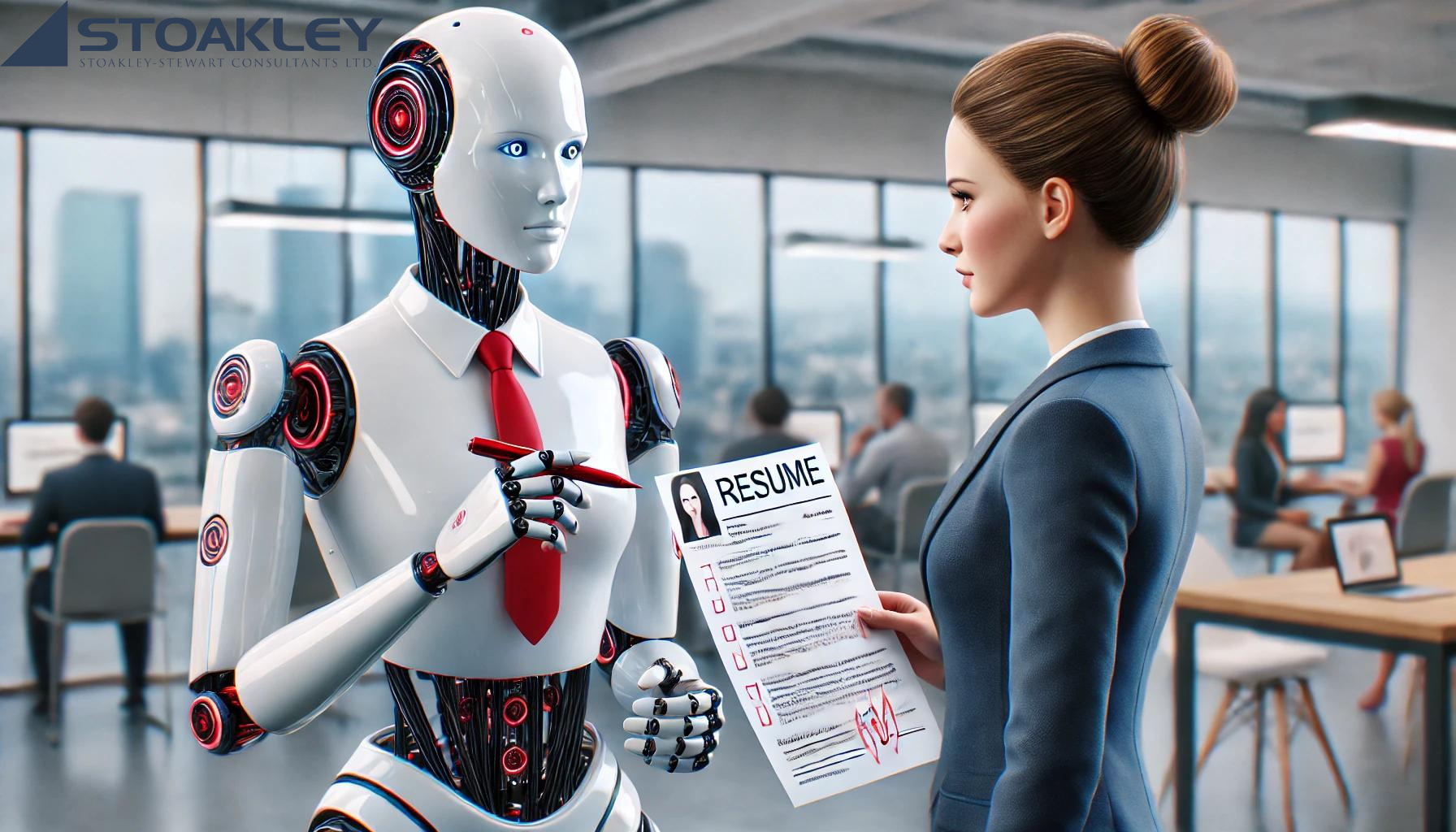
AI can be a useful job-search tool, but only when it helps you communicate your real experience more clearly. The goal is not to trick an applicant tracking system, overwhelm employers with keywords, or create a version of yourself that does not hold up in an interview. The goal is to help employers quickly and accurately understand why your background is relevant to the opportunity.
Use AI as an assistant
AI can help you organize, proofread, clarify, and compare your materials against a job posting. It should not replace your judgment or invent your experience.
Tailor honestly
A tailored resume should emphasize the most relevant parts of your real background, not reshape your background into something it is not.
Sound like yourself
Employers may notice generic, over-polished, or impersonal applications. Your resume and cover letter should still sound credible, specific, and human.
What AI Can and Cannot Do for Your Job Application
AI can help you review a job posting, identify important skills, improve clarity, strengthen wording, check grammar, and organize your resume or cover letter more effectively. It can also help you notice whether your application is too generic or whether you have failed to connect your experience to the employer’s stated needs.
What AI cannot do is give you experience you do not have, create accomplishments that did not happen, replace your professional judgment, or guarantee that an employer will see you as a fit. A polished application may help open the door, but your real experience, examples, communication, references, interview performance, and fit still matter.
Helpful mindset: AI should help you express your qualifications more clearly. It should not help you pretend to be a different candidate.
What “Tailoring” Should Mean in 2026
“Tailoring” your resume and cover letter should not mean artificially stuffing your documents with keywords, exaggerating your fit, or rewriting your history to match every posting. It should mean making thoughtful choices about which parts of your real background are most relevant to the role.
A well-tailored application helps the employer do their job. It makes your relevant skills, experience, accomplishments, tools, industry exposure, and career motivation easier to find and assess.
Relevant
You emphasize experience that genuinely connects to the job.
Specific
You include concrete examples, tools, results, scope, or accomplishments.
Truthful
You do not invent experience, inflate responsibilities, or imply expertise you cannot support.
What Employers May Be Watching For
Employers and recruiters are increasingly aware that candidates may be using AI to polish their applications. That does not mean a well-written resume is suspicious. It does mean that generic language, vague claims, exaggerated alignment, and “perfect match” wording may receive closer scrutiny.
A strong application should be able to stand up to follow-up questions. If your resume says you led a project, improved a process, managed a team, increased revenue, reduced cost, implemented a system, or solved a problem, be ready to explain what you actually did, how you did it, and what changed as a result.
Step-by-Step: Using AI Responsibly for Your Resume and Cover Letter
1. Read the job posting yourself first
Before asking AI for help, read the posting carefully. Identify the real priorities: responsibilities, required experience, tools, credentials, industry exposure, and soft skills.
2. Ask AI to compare, not fabricate
Use AI to compare the job posting against your existing resume and identify what is relevant, missing, unclear, or under-emphasized.
3. Strengthen real accomplishments
Use AI to make accomplishment bullets clearer and more concise, but keep the result, scale, tools, and context accurate.
4. Keep the cover letter human
AI can help structure a letter, but the reason you are interested, why the role makes sense, and how your experience connects should sound like you.
5. Proofread manually
AI can miss errors, create awkward wording, or introduce inaccuracies. Review every sentence before sending.
6. Prepare for the interview
Anything on your resume or cover letter should be something you can explain clearly, confidently, and truthfully in conversation.
Responsible AI Prompts You Can Use
The best prompts ask AI to help you clarify and organize your real experience. They do not ask AI to create a misleading version of your background.
Resume comparison prompt
“Compare my resume to this job posting. Identify which parts of my real experience appear most relevant, which requirements are not clearly addressed, and where I should clarify wording without exaggerating.”
Bullet improvement prompt
“Rewrite these resume bullets to be clearer, more concise, and more results-oriented. Do not add details, metrics, tools, or responsibilities that I have not provided.”
Cover letter prompt
“Help me draft a concise cover letter using only the experience I provide. Make it specific to this role, but keep the tone natural and avoid generic enthusiasm.”
Final review prompt
“Review this application for clarity, grammar, repetition, vague claims, and anything that sounds exaggerated, generic, or unlike a real person.”
Adding the Human Touch
AI can help improve the structure of your application, but your individuality is what makes it credible. Employers want to understand how you think, what you have actually done, why the role interests you, and whether your background lines up with their needs.
Use real examples
Include work you actually performed, problems you actually solved, and results you can speak to in an interview.
Research the company
A thoughtful cover letter should reflect why this company, this role, or this opportunity genuinely interests you.
Use your network
Conversations with people who understand the role, company, or industry can help you apply more thoughtfully than AI alone.
What Not to Do When Using AI
Do not invent experience
Never allow AI to add responsibilities, credentials, software, industries, metrics, achievements, or leadership scope that are not true.
Do not keyword-stuff
A resume overloaded with job-posting language can sound forced and may not hold up under follow-up questions.
Do not send without editing
AI-generated content can be generic, inaccurate, repetitive, or too polished. Always review, personalize, and verify before sending.
Use AI to Clarify Your Fit, Not Create a False One
Using AI to tailor your resume and cover letter can be helpful, but the strongest applications are still rooted in truth, specificity, and human judgment. AI can help you communicate more clearly, but it cannot replace your actual experience.
The best job applications help employers understand who you are, what you have done, how your background connects to the role, and why you are worth a conversation. Use AI to support that goal — not to obscure it.
Exploring Your Next Career Move?
If you are exploring your options or simply curious about what is out there, we invite you to browse our current opportunities and candidate resources.
AI Has Changed Hiring. Human Judgment Still Wins.
If your organization is facing high application volume, AI-polished resumes, difficult screening decisions, or a challenging search, we would be pleased to learn more about your hiring needs and discuss how Stoakley-Stewart Consultants can be of assistance today, tomorrow, and beyond.